

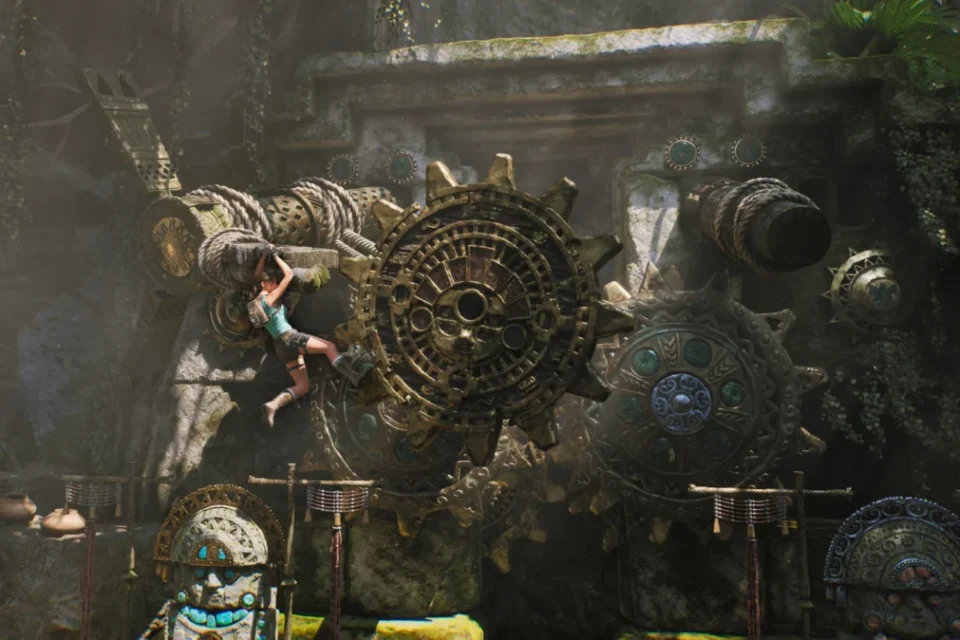
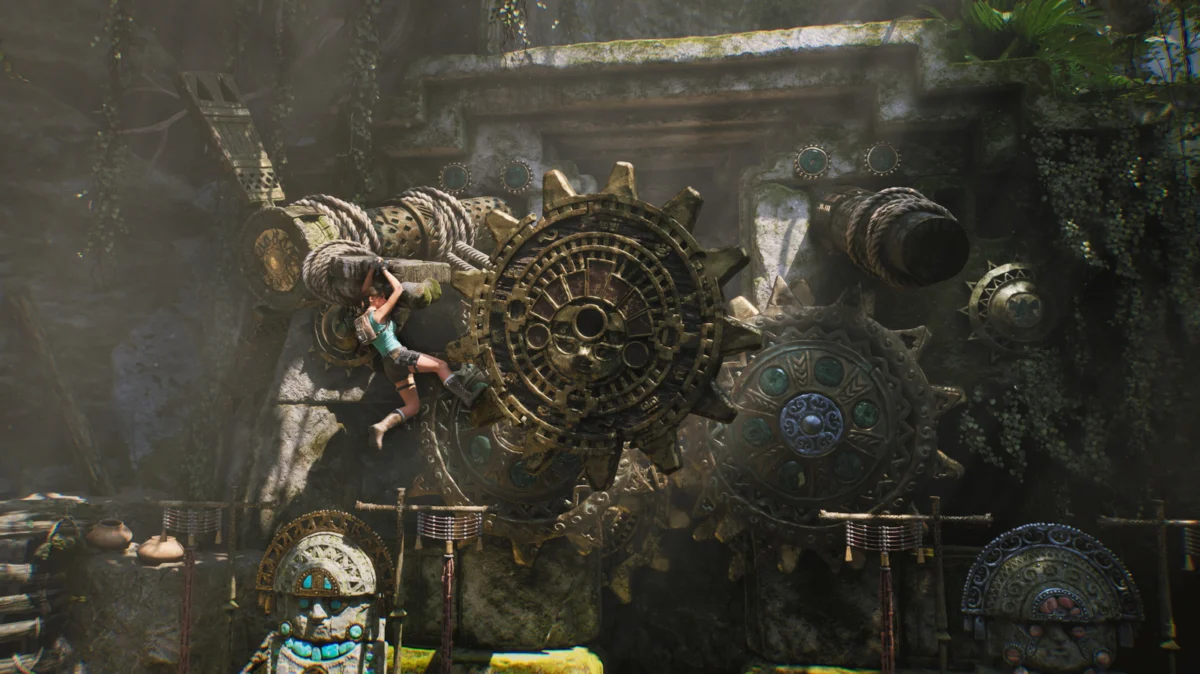
Thirty years after she first vaulted onto our CRT monitors, Lara Croft is undergoing a transformation that feels both like a homecoming and a bold leap into the future. At Summer Game Fest 2026, Crystal Dynamics and developer Flying Wild Hog finally pulled back the curtain on Tomb Raider: Legacy of Atlantis, a project that seeks to bridge the gap between the grounded, gritty "Survivor" trilogy of the 2010s and the campy, high-stakes spirit of the 1996 original.
For fans who grew up in the era of blocky textures and tank controls, this remake is a promise kept. For a new generation, it is an introduction to the definitive tomb raider, rendered in the hyper-realistic fidelity of Unreal Engine 5.
The Core Concept: Bridging Three Decades of Gaming
The narrative positioning of Legacy of Atlantis is deliberate. Crystal Dynamics is attempting to thread a needle: keeping the core DNA of the 1996 debut while incorporating the mechanical fluidity that defined the reboot era. The result is a game that feels faster, more visceral, and significantly more vertical than its predecessor.
The demo showcased at Summer Game Fest centered on the iconic Peruvian mountainside—the very environment that taught a generation of gamers how to jump, slide, and shoot. However, those who recall the relatively static puzzles of the 90s will find a drastically different experience. The environments are no longer just stages; they are living, breathing ecosystems that demand exploration and tactical awareness.
Chronology: From 1996 to 2027
To understand the significance of Legacy of Atlantis, one must look at the timeline of the franchise’s evolution:
- 1996: The original Tomb Raider launches, introducing Lara Croft as a cultural icon and revolutionizing 3D platforming.
- 2013: Crystal Dynamics resets the timeline with Tomb Raider, focusing on Lara’s trauma and survivalist origins.
- 2023–2025: A period of uncertainty regarding the IP’s future leads to rumors of a "unified" timeline.
- 2026: The official announcement of Legacy of Atlantis at Summer Game Fest, confirming a return to the Atlantean mythology.
- February 12, 2027: The scheduled global release across PlayStation 5, Xbox Series X/S, Steam, and the upcoming Nintendo Switch 2.
Gameplay Mechanics: The Evolution of the Raider
The demo revealed a hybrid approach to gameplay. Players familiar with the "Survivor" trilogy will feel at home with the movement systems, while those who crave the classic arcade-style action will appreciate the pacing.
Verticality and Traversal
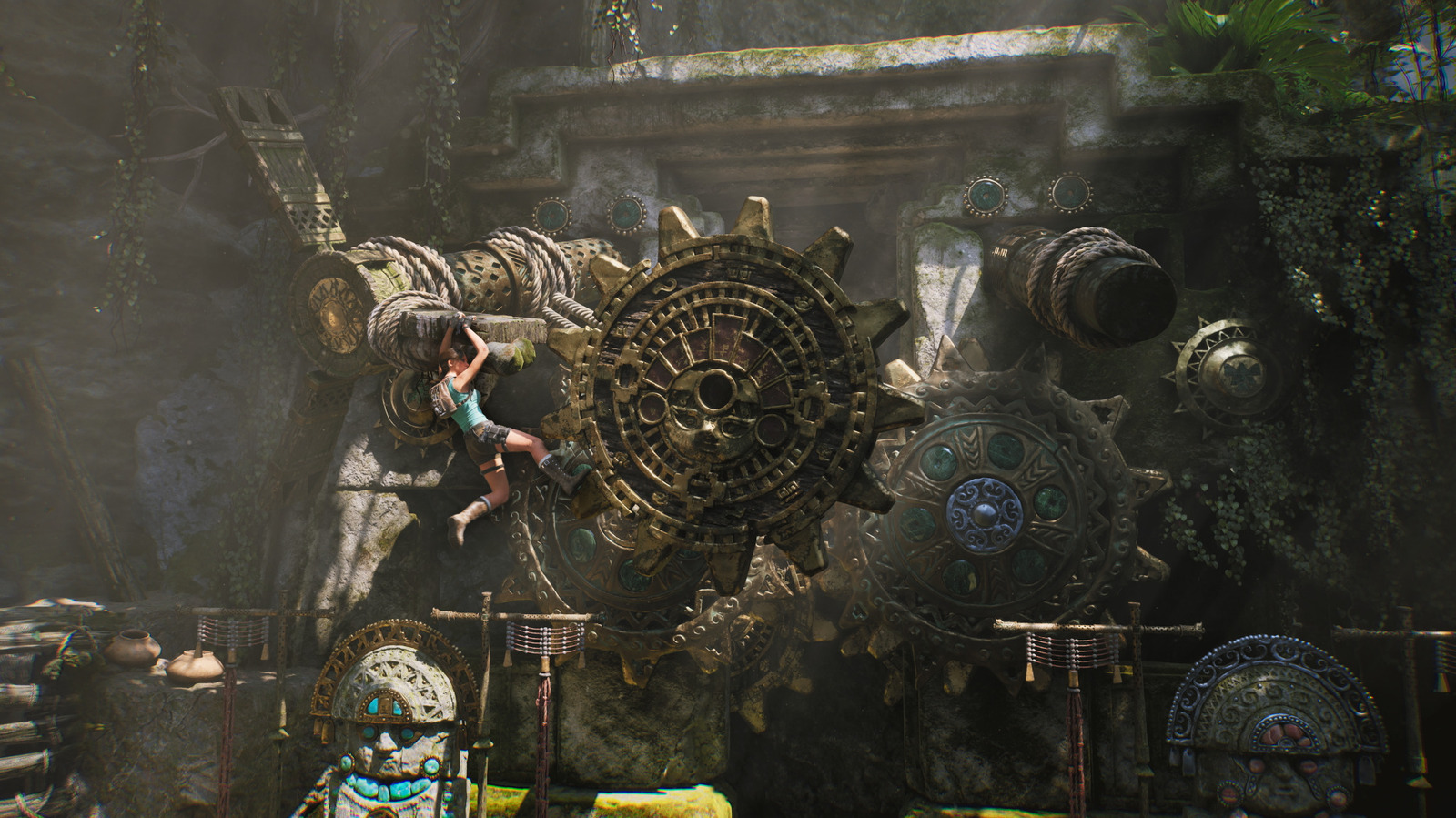
One of the most immediate changes is the sheer verticality of the levels. The environment is designed to be climbed, grappled, and scaled. The introduction of the climbing axe and a versatile grappling hook—inspired by the later Tomb Raider titles—transforms the Peruvian ruins into a playground. If a path isn’t immediately obvious, the developers have ensured that the answer is almost always above or below the player, rewarding those who take the time to scan their surroundings.
The Combat Loop
Combat in Legacy of Atlantis is a departure from the cover-based shooters of the last decade. It is fast, acrobatic, and, at times, reminiscent of Max Payne.
- Focus Mode: A new mechanic that allows players to slow down time, enabling precise shots or target switching during intense firefights.
- The "Aerial": Lara now performs a hands-free, high-speed cartwheel during combat, allowing her to evade attacks while maintaining pressure on her targets.
- Dual Pistols: While the demo showed limited ability to target multiple enemies simultaneously, there is a strong suggestion that dual-wielding will evolve through skill trees, restoring the classic silhouette of the original Lara.
Environmental Interaction
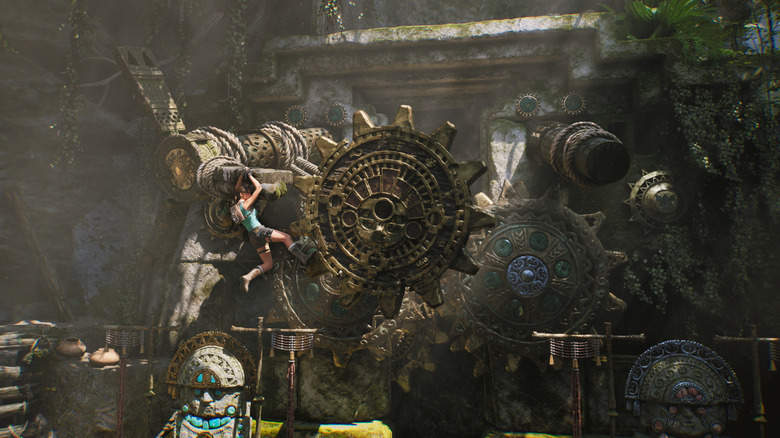
The puzzle-solving elements have been modernized. The infamous "giant cog" puzzle, once a simple matter of collecting wheels, is now an involved, multi-stage task that requires using the environment to divert water and manipulate machinery. It feels less like a chore and more like a feat of engineering, forcing players to think in three dimensions.
Supporting Data: The Content Conundrum
Not every change is universally lauded. The shift toward a "collectible-heavy" gameplay loop has sparked debate among early testers. While the inclusion of resources—healing packs, historical objects, and mythical curios—adds a layer of preparation to the game, the addition of fangs and other tradeable items feels reminiscent of the bloat often found in open-world titles like Assassin’s Creed.
Crystal Dynamics has integrated a PDA system—a charmingly retro nod to the 90s—which acts as both an encyclopedia for the items found and a quest tracker. While the PDA is functional, the reliance on an intermittent scanner to guide players through puzzles may strike some as a crutch that undermines the joy of discovery.
Official Responses and Developer Intent
Representatives from Crystal Dynamics and the development team at Flying Wild Hog have emphasized that the goal is not to "replace" the original, but to elevate it.
"We are dealing with a sacred text of gaming," said one lead designer during a press Q&A. "The challenge was to retain the wonder of the 1996 adventure while acknowledging that the player’s expectations for fluidity and responsiveness have shifted dramatically in thirty years. When you dive into that waterfall pool, it has to feel as magical as it did the first time, but it has to control with the precision of a modern masterpiece."
The developers confirmed that the game’s "hard mode" would lean further into the resource management and survival aspects, catering to those who want to feel the weight of every bullet fired and every health pack consumed.
Implications: The Future of the Franchise
Tomb Raider: Legacy of Atlantis serves as a litmus test for the future of the series. By successfully marrying the "Survivor" era’s polish with the original’s high-concept, adventurous spirit, Crystal Dynamics is positioning Lara Croft for a new decade of dominance.
The "Unified" Vision
The implications for the franchise’s continuity are significant. If this remake succeeds, it opens the door for a unified timeline where the "Survivor" Lara and the "Classic" Lara are finally the same person. This would allow the studio to cherry-pick the best elements from every game in the franchise’s 30-year history.
The Technical Bar
The visual fidelity achieved via Unreal Engine 5 is not just for show. It sets a new standard for adventure games. The dinosaurs—particularly the pack of raptors that ambush Lara in the jungle—are terrifying, not just because of their speed, but because of their behavior. They don’t just charge; they flank, they hide in the foliage, and they create a sense of genuine dread.
Closing Thoughts
The demo concluded with a heart-pounding set piece involving a T. rex, a sequence that effectively distilled the game’s philosophy: high-stakes, cinematic, and deeply respectful of its roots. As Lara escaped the jaws of the beast, it was clear that she is no longer just a survivor—she is an icon who has learned how to master her environment.
Whether you are a veteran who remembers the pixelated jungles of 1996 or a newcomer looking for a high-octane adventure, Legacy of Atlantis looks poised to satisfy. February 2027 cannot come soon enough. For Lara Croft, the tomb is once again open, and the world is waiting to see what she brings out of the darkness.